



Ultimate Guide to Bwindi Gorilla Trekking Safaris
This guide covers everything travelers ask about most when planning Bwindi gorilla trekking safaris in Bwindi Impenetrable National Park: permits, sectors, best time to visit, packing, and rules.
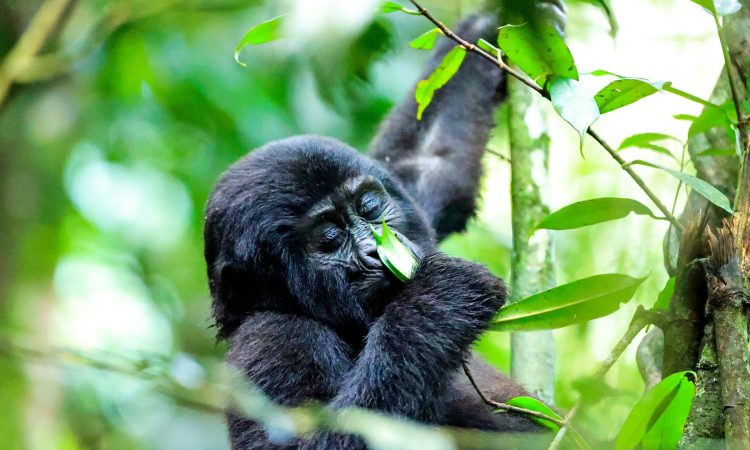
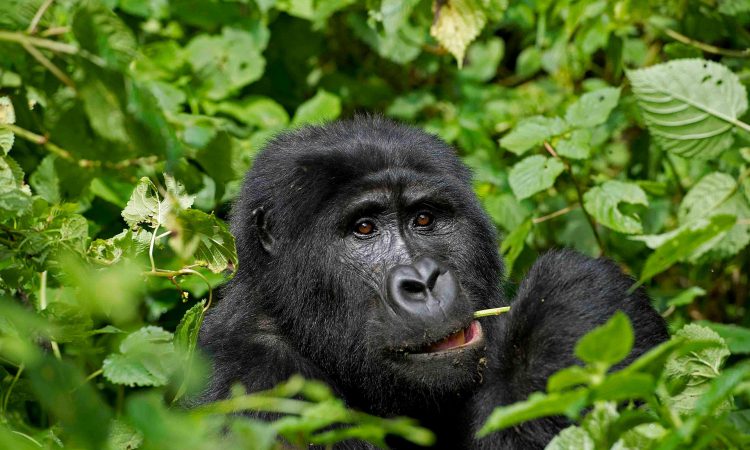
Bwindi National Park is one of only four parks in the world where mountain gorilla trekking takes place.
The other three are Volcanoes National Park in Rwanda, Virunga National Park in the Democratic Republic of Congo, and Mgahinga Gorilla National Park in Uganda.
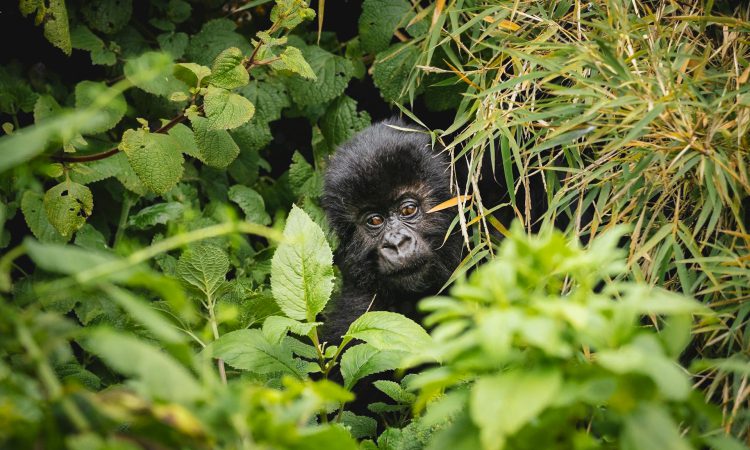
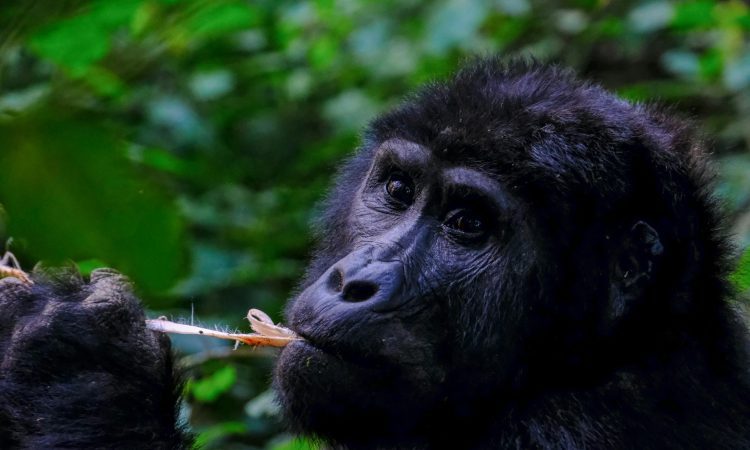
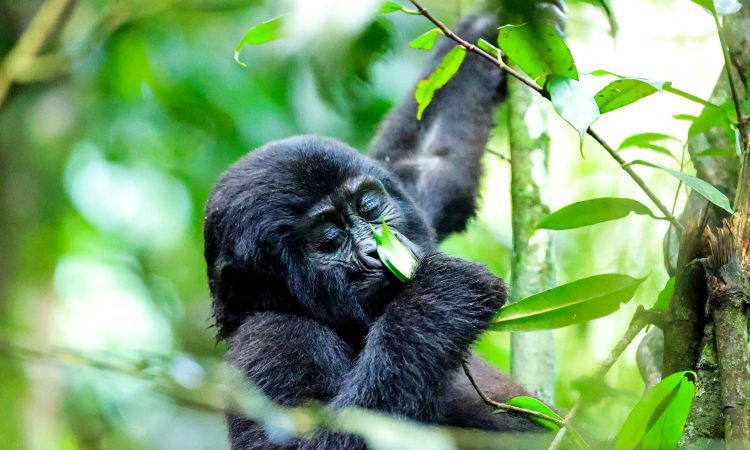
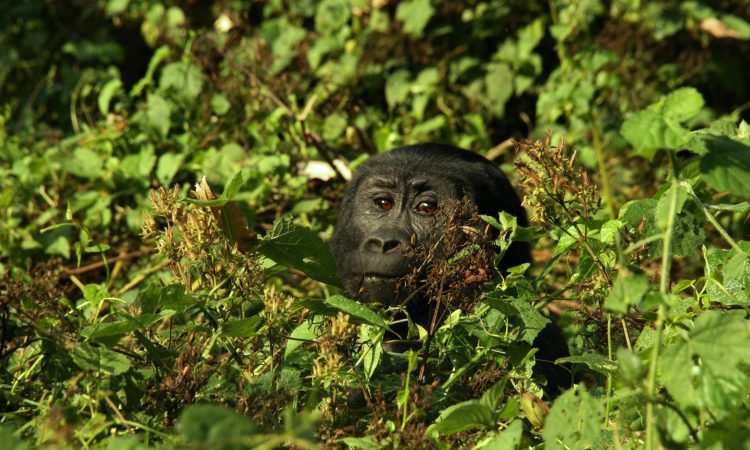
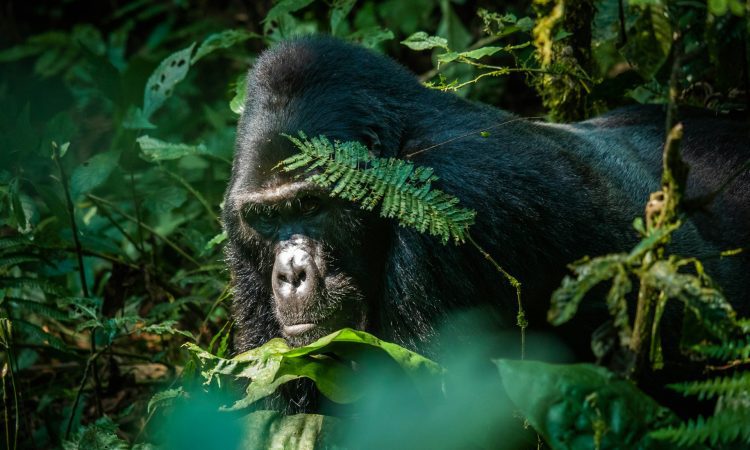
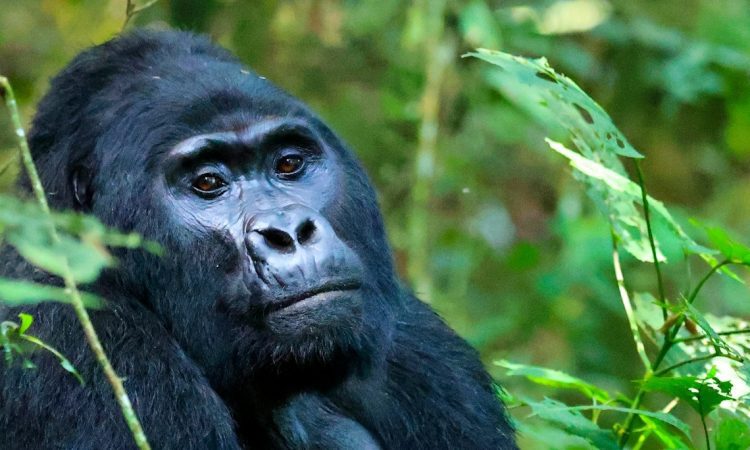
Bwindi Impenetrable Forest National Park houses half the world’s population of endangered mountain gorillas.
The name “Bwindi” comes from the local Runyakitara word “Mubwindi,” meaning “place full of darkness.”
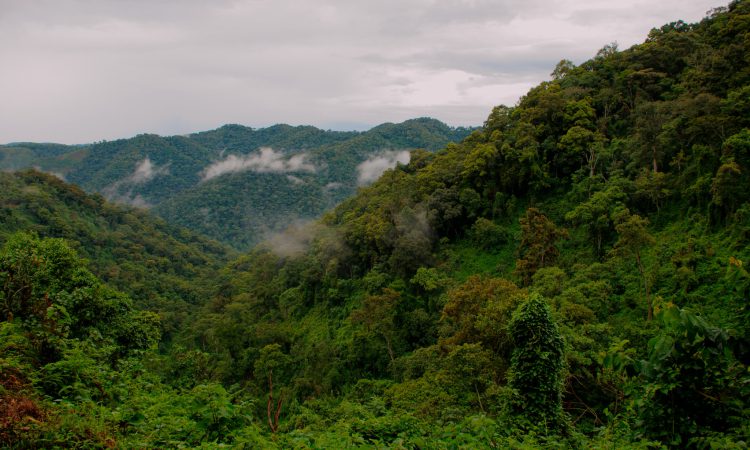
Bwindi Forest National Park is one of the most species-rich forests on Earth. UNESCO recognized it as a World Heritage Site for this reason.
The park is home to 104 fern species, 27 frog species, 220 butterfly species, 120 mammal species, 348 bird species, 163 tree species, and 1,000 flowering plant species.
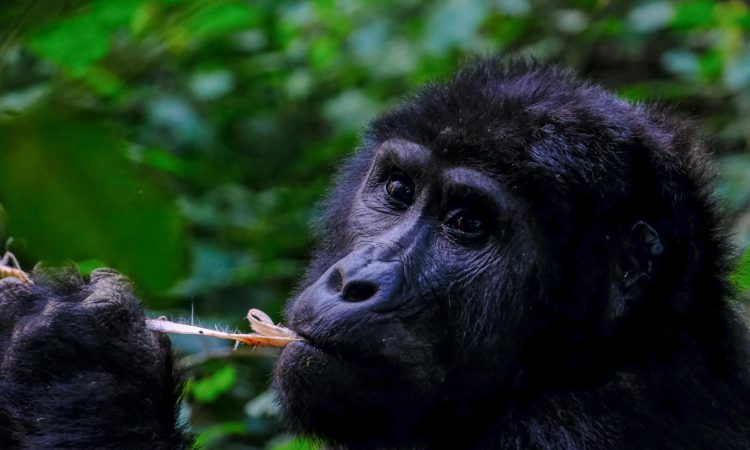
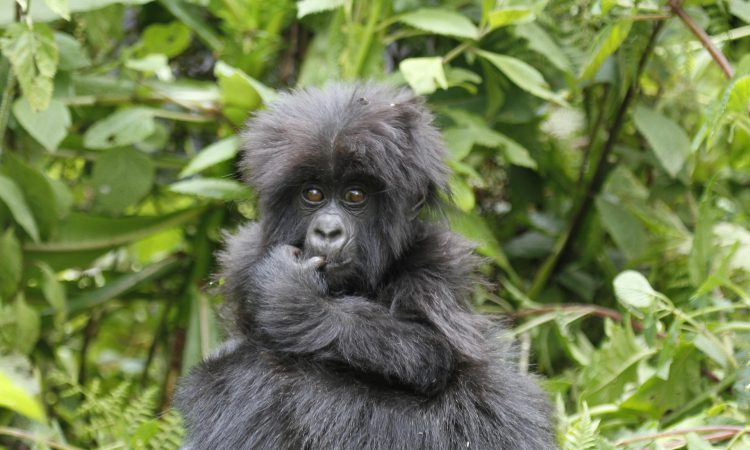
Mountain gorillas share 98% of their DNA with humans. They also have unique fingerprints, similar to human thumbprints.
Female mountain gorillas carry a pregnancy for 8.5 months and typically give birth to 2 to 6 offspring in a lifetime.
The park spans 331 square kilometers and sits on the edge of the Albertine Rift.
History of Bwindi Impenetrable Forest
Bwindi Impenetrable Park began in 1932 as two separate crown forest reserves: Kayonza and Kasatora.
In 1942, the government combined and enlarged these reserves and renamed the area the Impenetrable Central Crown Forest.
In 1964, the reserve was redesignated as the Impenetrable Central Forest Reserve and became an animal sanctuary.
The park expanded again in 1966 to cover 321 square kilometers.
In 1991, the reserve became a national park under its current name, Bwindi Impenetrable Forest National Park.
The first gorilla trekking activity took place in April 1993. The park added 10 square kilometers in 1994 and 4 more square kilometers in 2003.
In 1999, over 100 former Rwandan Interahamwe guerillas crossed from the Congo border into the park and kidnapped 14 foreign tourists and one Ugandan guide.
Eight tourists were killed, one woman was raped, and six were released alive. The guide was killed.
The park closed for several months and later reopened. Conditions today are stable, and armed rangers accompany tourists on every activity.
Location of Bwindi Forest
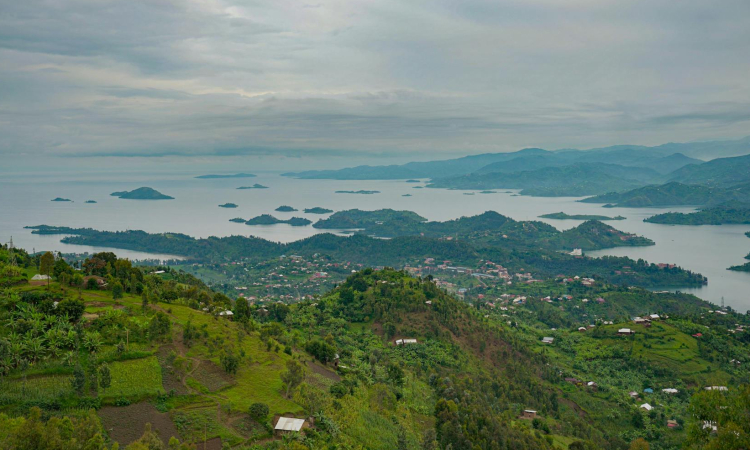
Bwindi Park is located in southwestern Uganda, in the Kanungu district. Read our full guide on how to access Bwindi for detailed route options.
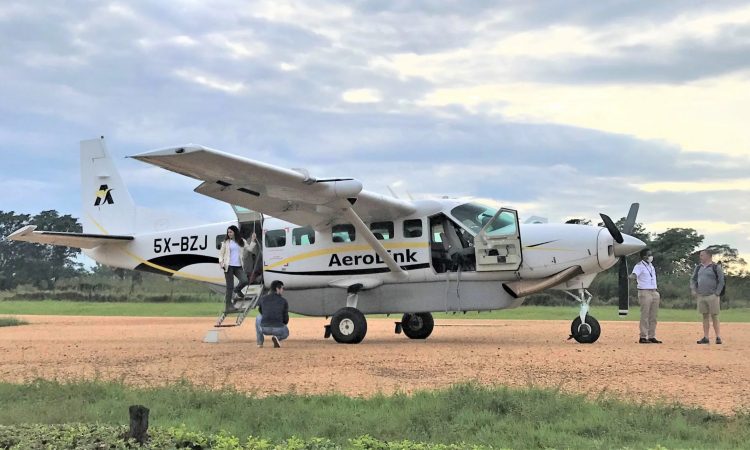
The drive from Kampala takes about 8 to 9 hours. Visitors can also take a chartered flight from Entebbe International Airport or Kajjansi Airfield to Kihihi airstrip.
Best Time for Bwindi Gorilla Trekking Safaris
Bwindi Impenetrable Forest National Park is open year-round. The best months to visit are the dry seasons, from June to August and from December to February.
During these months, trails and roads through the park are in the best condition.
Bwindi is a tropical rainforest, so tourists should expect occasional showers even in the dry season.
Pack garden gloves, a raincoat, long-sleeved warm clothing, sunglasses, a hat, insect repellent, and waterproof hiking boots.
Bwindi National Park Gorilla Trekking: What to Expect
Bwindi Impenetrable National Park gorilla trekking starts with a permit from the Uganda Wildlife Authority or a trusted tour company.
Rangers place trekkers into a sector based on age and physical fitness, and travelers often ask how difficult the trek actually is before booking.
Gorilla tracking in Bwindi typically lasts 2 to 7 hours, depending on where the gorilla family is and how fast the group hikes.
Once rangers locate the family, visitors get one hour with the gorillas. Trekkers must follow the park’s gorilla trekking rules during this time.
Gorilla Habituation in Rushaga Sector
Gorilla habituation is the process of getting mountain gorillas used to human presence. It takes 1 to 2 years of daily visits by rangers and researchers. Read more about the gorilla habituation permit if you want a longer encounter.
The park lets visitors join this process in the Rushaga sector.
Habituation gives visitors 4 hours with the gorillas, compared to 1 hour on a standard trek.
Birding in Bwindi Impenetrable Forest
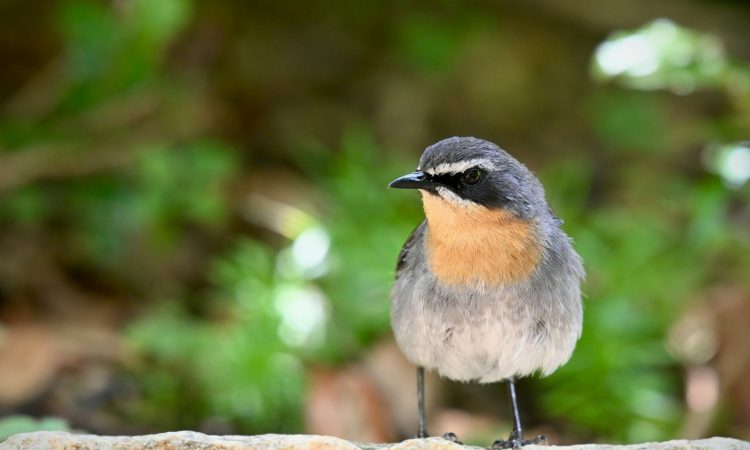
Bwindi Impenetrable Forest National Park is home to over 359 bird species, including 23 Albertine Rift endemics. See our full Bwindi birding guide for the best spots and seasons.
Notable species include the Red-headed Bluebill, Blue-headed Sunbird, Short-tailed Warbler, Chaplin’s Flycatcher, African Green Broadbill, Shelley’s Crimsonwing, Rwenzori Batis, White-throated Greenbul, Yellow-fronted Canary, Handsome Francolin, Great Blue Turaco, Doherty’s Bushshrike, African Dusky Flycatcher, Double-toothed Barbet, and Black Bee-eater.
Securing Permits for Bwindi Gorilla Trekking Safaris
Book your Bwindi gorilla trek permit at least three months before your trekking date. Full details on where to buy gorilla permits are covered in our dedicated guide.
Buy permits through a trusted tour company or directly from the Uganda Wildlife Authority. A gorilla trekking permit costs $800 per person, and a gorilla habituation permit costs $1,500 per person.
Bwindi Gorilla Trekking Rules & Regulations
Follow these rules on every Bwindi gorilla trekking safari:
- Manage your time: Trekking times are fixed. Missing your appointed time means no refund. The pre-trekking briefing starts at 8:30 am, and all trekkers must arrive before it begins.
- Disinfect your hands and feet: Rangers do this at the park entrance to prevent spreading illness to the gorillas.
- Keep a distance of 7 meters (about 21 feet): Standing too close endangers the gorillas and makes them vulnerable to human illness. If a gorilla approaches, stay calm and stay still.
- Keep your voice low: Speak in a hushed tone during the trek so you don’t disturb the gorillas or other wildlife.
- Group size is capped at 8 people: Each gorilla group allows a maximum of 8 trekkers per day, to protect the ecosystem and reduce pressure on the gorillas.
- No flash photography: Flash disturbs the gorillas, so turn it off before taking photos.
- Stay in a tight group and don’t run: Groups help rangers monitor everyone and keep the gorillas calm.
- Trek only if you’re healthy: Gorillas catch human illnesses easily, so stay home if you have a cough, flu, or other illness. If you must cough or sneeze, cover your mouth and nose.
- One hour maximum with the gorillas: This limit protects the gorillas from stress.
- No littering: Carry all waste, including plastics, out of the park.
- Avoid direct eye contact: Staring into a gorilla’s eyes can be read as aggression and may provoke a charge.
- Carry a valid gorilla trekking permit: Permits cost $1,500 in Rwanda, $800 in Uganda, and $400 in the Democratic Republic of Congo. Each group is capped at 8 trekkers aged 15 and above.
Recommended Bwindi Packing List & Equipment
Pack these 10 essentials before you visit Bwindi for a gorilla trekking safari. See our full mountain hiking gear guide for more detail on each item:
- Sturdy hiking boots: Choose waterproof, strong boots built for jungle terrain.
- Insect repellent: Protects against forest insects and bites.
- Waterproof jacket: Rain can start at any time in the forest.
- Hand gloves: Protect your hands from scratches and insect bites.
- Face mask and hand sanitizer: Tour operators provide these, but carry your own as backup.
- Camera: A good camera preserves the memory of your trek.
- Snacks and drinking water: Treks can run long depending on where the gorillas are.
- Binoculars: Useful for spotting wildlife at a distance.
- A hat or bandana: Protects your head and keeps loose hair out of branches.
- Waterproof backpack: Carries your gear for the day.
Porters are available for hire to carry your luggage during the trek.
Responsible Tourism: Tipping Guide for Bwindi Gorilla Trekking Safaris
Tipping is not required, but it is customary and appreciated for driving guides, lodge staff, porters, and ranger guides. Read our full Bwindi tipping guide for suggested amounts by role.
Your trekking permit already covers the ranger guide’s fee, so a tip is a way to say thank you, not an obligation.
Porters charge $10 to $15 for their services and can be tipped separately for good work.
What to Do When Tipping in Bwindi
Tip at the end of the trip or trek, not partway through.
Give what feels right based on the service you received.
If a group guided you, tip the team leader and ask them to split the tip among the group.
Tip in US dollars, francs, euros, or Ugandan shillings. Amounts commonly range from $5 upward.
Where a lodge has a staff tipping box, place your tip there so all staff share it.
Bwindi Gorilla Trekking Safaris via Kigali
Bwindi gorilla trekking safaris from Kigali are a popular route because the drive takes only 4 to 5 hours, much shorter than the drive from Entebbe. See our dedicated guide on Bwindi gorilla tours from Kigali for full route details.
Applying for your East African tourist visa online cuts down time spent at the border.
Shorter travel time means less fatigue before your trek.
Securing Your Mountain Gorilla Trekking Permits
Gorilla trekking in Rwanda costs more than in Uganda: a Rwanda permit costs $1,500, while a Uganda permit costs $800.
Both countries trek the same species, mountain gorillas, and Uganda has a larger gorilla population than Rwanda.
Over half the world’s mountain gorillas live in Bwindi Impenetrable National Park, which is why many travelers book gorilla trekking in Bwindi Impenetrable National Park from Kigali.
Comparing Gorilla Trekking Safaris in Uganda, Rwanda, and Congo
Uganda gorilla trekking safaris are widely considered the most affordable option among the three countries. Browse our full range of Uganda gorilla safaris to compare itineraries.
Rwanda gorilla safaris attract mostly luxury travelers. Congo gorilla permits are the cheapest, at $400 year-round.
Volcanoes National Park in Rwanda sits just 2 to 3 hours from Kigali, close enough for a single-day gorilla trek.
Bwindi gorilla trekking safaris remain a distinct and rewarding experience on their own.
Choosing a specialized gorilla safari Bwindi operator improves your odds of a smooth trip. That is our focus, alongside other safari types across the region.
Book Bwindi Impenetrable National Park, Mgahinga Gorilla National Park in Uganda, Volcanoes National Park in Rwanda, or Virunga National Park in Congo with us for your next gorilla trekking holiday.
Trekking with Gorillas in the Rain
Trekking mountain gorillas during the rainy season is a memorable experience that few travelers try. Our guide to trekking in the rainy season covers what to expect in more detail.
Rainy seasons in Uganda, Congo, and Rwanda run from March to mid-May, then late October to early December.
Rain in the forest is unpredictable and usually falls for only a few hours, not all day.
Mornings often bring showers, while afternoons and evenings tend to be sunny.
Gorillas stay closer to camp during the rains since food is abundant nearby, which makes them easier to find.
Rainy season also means fewer trekkers competing for permits, discounted safari packages, quieter trails, and lower accommodation prices.
Trekkers during this period should prepare for slippery terrain, cooler temperatures, and wet trails.
Bwindi Gorilla Trekking Safaris in the Dry Season
Gorilla trekking in Bwindi, Mgahinga, Volcanoes, or Virunga National Park runs uninterrupted during the dry season. See our guide to trekking gorillas in the dry season for a full comparison with the rains.
Gorilla trekking still happens in the wet season too. Activities pause only while it’s actively raining and resume once it stops.
High altitude and thick vegetation mean rain is still possible in the dry season, so trekkers should come prepared regardless.
Dry season trails are firmer and less slippery, which makes them easier for vehicles and hikers to navigate.
Basic physical fitness helps, since gorillas live in mountainous, forested terrain.
Dry season heat means trekkers should carry enough drinking water and a wide-brimmed hat for sun protection.
Where to Stay: Accommodation Options for Bwindi Gorilla Trekking Safaris
Bwindi Impenetrable Forest National Park has four sectors, and your accommodation choice depends on which sector issues your gorilla permit.
- Ruhija Sector Accommodation: Gorilla Mist Camp, Gift of Nature Lodge, Ruhija Community Rest Camp, Ruhija Gorilla Safari Lodge, Cuckoo Land, and Gorilla Safari Lodge.
- Buhoma Sector Accommodation: Buhoma Lodge, Buhoma Community Rest Camp, Trackers Safari Lodge, Sanctuary Gorilla Forest Camp, Silverback Lodge, Engagi Lodge, and Lake Kitandara Tented Camp.
- Nkuringo Sector Accommodation: Clouds Mountain Gorilla Lodge, Nkuringo Campsite, Nkuringo Bwindi Gorilla Lodge, Bwindi Backpackers Lodge, Nshongi Camp, and Miranda Eco Community Center.
- Rushaga Sector Accommodation: Lake Mulehe Safari Lodge, Mahogany Springs Lodge, Ichumbi Gorilla Lodge, Rushaga Gorilla Lodge, Rushaga Gorilla Camp, and Gorilla Haven Lodge.
When you visit Bwindi, book your gorilla tour Bwindi accommodation early, since sector-specific lodges fill up fast in peak months. See our full guide to luxury lodges in Buhoma for more options.
Book Bwindi gorilla trekking tours and Bwindi gorilla tours with us today and start planning your trip.
Frequently Asked Questions About Bwindi Gorilla Trekking Safaris
What is Bwindi National Park known for?
Bwindi National Park is known as one of only four places on Earth where visitors can trek mountain gorillas in their natural habitat. It shelters roughly half the world’s remaining mountain gorilla population and holds UNESCO World Heritage status for its exceptional biodiversity.
How much does a Bwindi gorilla trekking permit cost?
A standard gorilla trekking permit in Bwindi Impenetrable National Park costs $800 per person. A gorilla habituation permit, which gives visitors 4 hours with the gorillas instead of 1, costs $1,500 per person.
How long does gorilla tracking in Bwindi take?
A trek typically lasts 2 to 7 hours round trip, depending on where the gorilla family has moved and how quickly the group hikes. Once rangers find the gorillas, visitors get one hour to observe them.
Which sectors can I choose for gorilla trekking in Bwindi Impenetrable National Park?
Bwindi has four trekking sectors: Buhoma, Ruhija, Rushaga, and Nkuringo. Each sector tracks different gorilla families and offers its own accommodation options nearby.
What is the best time to visit Bwindi for gorilla trekking?
The dry seasons, from June to August and from December to February, are the best months to visit Bwindi. Trails are firmer and easier to hike, though rain is still possible year-round since Bwindi is a tropical rainforest.
Is Bwindi gorilla trekking physically difficult?
Bwindi gorilla trekking ranges from moderate to strenuous, depending on the sector and where the gorilla family is located. Basic physical fitness helps, since the terrain is mountainous and forested.
How do I book a gorilla trekking permit?
Permits can be booked through a trusted tour company or directly from the Uganda Wildlife Authority. It’s best to book at least three months in advance, since permits are limited and sell out quickly in peak season.
What is the minimum age for gorilla trekking in Bwindi?
Trekkers must be at least 15 years old to join a gorilla trekking group in Bwindi, Rwanda, or Congo.
What should I pack for a Bwindi gorilla trekking safari?
Pack sturdy waterproof hiking boots, insect repellent, a waterproof jacket, hand gloves, a hat or bandana, binoculars, a camera, snacks, drinking water, and a waterproof backpack.
Can I go gorilla trekking in the rainy season?
Yes, gorilla tracking in Bwindi continues year-round. Activities only pause while it’s actively raining and resume once it stops. Rainy season also means fewer trekkers, quieter trails, and often lower accommodation prices.
How far is Bwindi Impenetrable Park from Kampala?
The drive from Kampala to Bwindi takes about 8 to 9 hours. Visitors short on time can take a chartered flight from Entebbe International Airport or Kajjansi Airfield to Kihihi airstrip instead.
Can I visit Bwindi from Kigali, Rwanda?
Yes, Bwindi gorilla trekking safaris from Kigali are a popular route, since the drive takes only 4 to 5 hours, much shorter than the drive from Entebbe.
How many gorilla families live in Bwindi?
Bwindi is home to multiple habituated gorilla families spread across its four trekking sectors, with more families available in Buhoma and Rushaga than in Ruhija or Nkuringo.
What is gorilla habituation, and can tourists take part?
Gorilla habituation is the process rangers and researchers use to get mountain gorillas comfortable with human presence, which takes 1 to 2 years of daily visits. Tourists can join this process in the Rushaga sector for a longer, more immersive 4-hour experience.
Is it safe to visit Bwindi for gorilla trekking?
Yes, Bwindi is considered safe for tourism today. Armed rangers accompany every trekking group, and conditions have remained stable since a security incident in 1999 led to increased protective measures across the park.
Should I tip my guide on a Bwindi gorilla trekking tour?
Tipping is not required but is customary for ranger guides, driving guides, porters, and lodge staff. Amounts commonly start from $5, and porters typically charge $10 to $15 for their services.
How does gorilla trekking in Uganda compare to Rwanda and Congo?
Uganda gorilla trekking is generally the most affordable of the three countries at $800 per permit, compared to $1,500 in Rwanda and $400 in Congo. Rwanda tends to attract luxury travelers, while Uganda holds a larger overall gorilla population.
Where should I stay for a Bwindi gorilla safari?
Accommodation should match the sector where your gorilla permit is issued. Buhoma and Ruhija offer options closer to Kampala-side access, while Rushaga and Nkuringo suit travelers arriving via Kigali or the southern route.
Can I combine Bwindi gorilla trekking with other Uganda attractions?
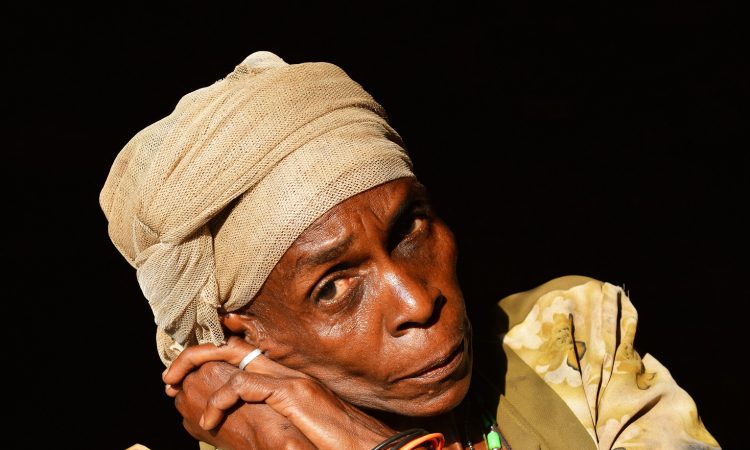
Yes, many Bwindi gorilla tours combine trekking with wildlife safaris, birding, the Batwa cultural trail, or a visit to Lake Bunyonyi, allowing travelers to build a longer, more varied Uganda itinerary.
What birds can I see in Bwindi Impenetrable Forest?
Bwindi hosts over 359 bird species, including 23 Albertine Rift endemics such as the African Green Broadbill, Shelley’s Crimsonwing, and the Great Blue Turaco, making it one of Africa’s top birding destinations.
How do I choose between gorilla trekking and gorilla habituation?
Standard gorilla trekking gives visitors 1 hour with a fully habituated family for $800, while habituation offers 4 hours with a family still adjusting to human presence for $1,500. Habituation suits travelers who want a longer, research-style encounter and don’t mind the higher cost.